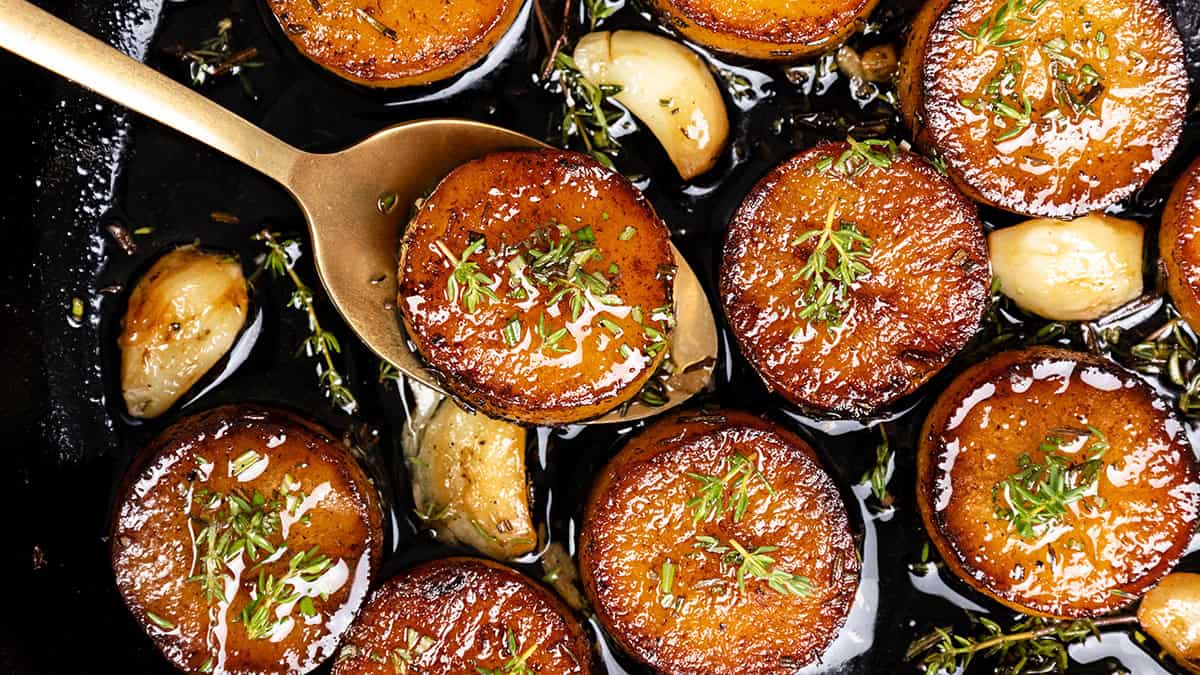
Butter, Broth, and Thyme: The Secrets to Irresistible Melting Potatoes
Imagine a potato dish that defies expectations: a golden-brown, irresistibly crisp exterior giving way to a luxuriously creamy, almost silken interior, each bite bursting with savory, aromatic flavors. This isn't just a dream; it's the reality of melting potatoes, a culinary revelation that has captivated food enthusiasts and home cooks alike. Often referred to as fondant potatoes, these incredible spuds are renowned for their unique, melt-in-your-mouth texture and gourmet appeal, yet they are surprisingly easy to master.
From the first forkful, you'll understand why these potatoes are stealing the show in kitchens everywhere. They elevate the humble potato to new heights, transforming a simple side into a memorable highlight of any meal. Whether you're a seasoned chef or a beginner in the kitchen, these gourmet melting potatoes made easy are sure to impress any crowd.
What Makes Melting Potatoes So Uniquely Irresistible?
The magic of melting potatoes lies in their extraordinary texture, which truly sets them apart from other potato preparations. Unlike a standard roast potato that's uniformly crisp, or a mashed potato that's entirely soft, melting potatoes offer a dynamic textural contrast. The journey begins with a vigorous sear, creating a beautifully browned, almost caramelized crust on the outside. This crispy shell provides a delightful counterpoint to what lies within: an impossibly tender, incredibly creamy interior that seems to dissolve on the tongue.
This unique characteristic is achieved through a specific cooking method that can best be described as a potato braise. After their initial searing, the potato rounds are partially submerged in a flavorful liquid – typically a rich broth infused with butter and aromatics – and then slow-roasted in the oven. As they bake, the potatoes slowly absorb this savory liquid, essentially braising from the inside out. This absorption process is key to infusing them with an incredible depth of flavor while simultaneously breaking down their starches, resulting in that signature silky, tender core.
It's this interplay of crispy, golden edges and a deeply flavorful, impossibly soft center that makes melting potatoes an experience unlike any other. They offer the satisfying crunch of a perfectly roasted potato with the luxurious creaminess of the finest mash, all in one stunning package.
The Core Ingredients: Unveiling the Magic Behind the Melt
Crafting the perfect batch of melting potatoes hinges on a few key ingredients, each playing a crucial role in achieving that coveted texture and flavor profile. Understanding the 'why' behind each component is essential for culinary success.
The Perfect Spud: Yukon Gold Potatoes
For melting potatoes, the potato variety matters immensely. Yukon Gold Potatoes are the undisputed champions for this dish, and for good reason. Their medium-starch content means they hold their shape well during searing but break down beautifully to create that dreamy, creamy, buttery center during the braising process. They also boast a naturally buttery flavor and a lovely yellow hue that deepens as they cook. If Yukon Golds aren't available, other yellow-fleshed varieties like Yellow Finn, Inca Gold, or Butterball make excellent substitutes. Even Russet potatoes can work in a pinch, though they tend to be a bit starchier and may require slight adjustments to cooking time to achieve the same tenderness.
The Golden Duo: Butter and Olive Oil
A generous amount of unsalted butter is non-negotiable. It's not just for flavor; butter is pivotal in developing that rich, luxurious taste and contributes significantly to the browning and caramelization of the exterior. Unsalted butter also gives you crucial control over the final saltiness of your dish. A splash of extra virgin olive oil is often used alongside the butter, primarily to help the potatoes crisp up beautifully in the oven without the butter burning too quickly, thanks to olive oil's higher smoke point. Some adventurous cooks even swap out a portion of the butter for duck fat or bacon grease for an even more decadent and savory profile.
The Flavor Infusers: Broth and Aromatics
This is where much of the magic happens. Low-sodium chicken broth is often hailed as the secret ingredient that takes these spuds to the next level. As the potatoes roast, they absorb the broth, infusing them with deep, savory flavor and guaranteeing that melt-in-your-mouth texture. Using low-sodium broth is important as it allows you to precisely control the overall saltiness of the dish. For a vegetarian version, a good quality low-sodium vegetable broth works perfectly. For an unexpected brightness, a touch of lemon zest can be added to the broth for a subtle, zesty finish.
Garlic cloves, whether whole and lightly smashed or roughly chopped, are essential. As they roast alongside the potatoes, they soften, sweeten, and develop a tender, spreadable texture, becoming an ideal accompaniment to the finished dish. While some traditional recipes call for just a hint of garlic, modern melting potato recipes often embrace a more generous amount, letting the sweet roasted garlic shine.
The Herb Symphony: Thyme, Basil, and Parsley
Fresh thyme, with its earthy, slightly minty, and peppery notes, is the quintessential herb for melting potatoes. Its aroma complements the rich flavors of the butter and potato beautifully. If fresh thyme isn't available, dried thyme can be used, though you'll want to use a smaller quantity as dried herbs are more concentrated. Beyond thyme, other dried herbs like basil and parsley (which add a touch of freshness and color), rosemary, or oregano can be incorporated to elevate the flavor profile, allowing for delicious experimentation. The key is to find a balance that enhances, rather than overwhelms, the natural goodness of the potatoes.
The Essential Seasoning Duo: Salt and Pepper
Finally, Kosher salt and freshly ground black pepper are the foundational seasonings. They enhance all the other flavors, making them pop. Don't underestimate their power; proper seasoning throughout the cooking process is crucial for a truly irresistible dish.
Mastering the Technique: From Prep to Perfection
While the ingredients are key, the technique behind melting potatoes ensures their perfect texture. Even if you're a novice in the kitchen, these tips will guide you to success.
Precision in Preparation: Cutting Uniform Rounds
The first step is critical: cut your chosen potatoes into uniform 1-inch thick rounds. This uniformity is paramount for even cooking. If some pieces are thicker than others, they'll cook at different rates, leading to some being perfectly tender while others remain firm, or worse, some burning while others are still undercooked. A sharp knife and a steady hand will make this task easy.
The Golden Start: Searing for Crispness and Flavor
Before they even touch the oven, the potatoes get their initial transformation on the stovetop. Heat a generous amount of butter and a splash of olive oil in an oven-safe skillet (cast iron works wonderfully here) over medium-high heat. Once the butter is melted and sizzling, arrange the potato rounds in a single layer. Resist the urge to overcrowd the pan; sear in batches if necessary to ensure good contact with the hot surface. Cook for 5-7 minutes per side, until they achieve a beautiful, deep golden-brown crust. This searing process not only creates that coveted crispy exterior but also kickstarts the Maillard reaction, developing complex, savory flavors.
The Braising Bake: Infusion and Tenderness
Once seared, it's time for the magic to happen in the oven. Reduce the heat if necessary, then add your aromatics (garlic, herbs), and pour in the low-sodium chicken or vegetable broth. The broth should come about halfway up the sides of the potatoes, but not fully submerge them. Transfer the skillet to a preheated oven (typically around 400°F or 200°C) and bake for 30-45 minutes, or until the potatoes are fork-tender and have absorbed most of the liquid. During this time, the potatoes will slowly braise, becoming incredibly tender and infused with all the wonderful flavors of the broth and herbs.
Flavor Boosts and Creative Twists
Want to take your melting potatoes to the next level? Consider grating some Parmesan cheese over them during the last few minutes of roasting for a salty, cheesy crust. As mentioned earlier, swapping some butter for duck fat or bacon grease adds an undeniable richness. A squeeze of fresh lemon juice or a hint of lemon zest in the broth can brighten the dish and cut through the richness beautifully. For more insights on achieving perfect potato textures, you might find Unlock the Secret to Melt-in-Your-Mouth Crispy Potatoes a helpful read.
Serving Suggestions & Leftovers: Elevating Your Meal
Melting potatoes are incredibly versatile, making them an ideal accompaniment to virtually any meal. They shine brightest when served piping hot, straight out of the oven, allowing their crispy exterior and creamy interior to be enjoyed at their peak.
The Perfect Pairing
Their rich, savory profile makes them an excellent partner for a variety of main courses. Serve them alongside a perfectly roasted chicken, a juicy seared steak, tender pork chops, or delicate grilled fish. They provide a comforting yet elegant counterpoint to robust proteins. To round out the meal, consider pairing them with a crisp green salad tossed in a light vinaigrette or a medley of seasonal roasted vegetables. The fresh elements will provide a lovely contrast to the richness of the potatoes.
Storage and Reheating
While best enjoyed fresh, melting potato leftovers are still incredibly delicious and surprisingly irresistible. To store cooled leftovers, transfer them to an airtight container and refrigerate for up to 3-4 days. When reheating, gently warm them in a skillet on the stovetop over medium heat, or in an oven at 350°F (175°C) until heated through, which will help to restore some of their crispness.
Conclusion
From their initial sear to their final, melt-in-your-mouth tenderness, melting potatoes truly are a culinary revelation. They effortlessly combine a crispy, golden exterior with an impossibly creamy, flavor-infused interior, elevating the humble potato to gourmet status without requiring advanced cooking skills. By understanding the roles of key ingredients like Yukon Gold potatoes, rich butter, savory broth, and aromatic herbs like thyme, you can consistently create a dish that's sure to impress. So, embrace the butter, broth, and thyme, and unlock the secret to these irresistible spuds. Once you try them, you might just find yourself never wanting potatoes any other way.
